Rotta per Capo Verde Course set for Cape Verde
Non avevo un’idea precisa di cosa aspettarmi da Cabo Verde, quindi tutto ciò che viene è una sorpresa. Ma le poche ore trascorse nel paesino di Palmeira - le prime sulla terraferma dopo più di una settimana di navigazione - mi hanno dato un pugno che non mi aspettavo. Nulla di estremo come visioni stereotipate del bambino con la pancia gonfia e l’avvoltoio in attesa. Ma per me, povero privilegiato che finora ha sempre viaggiato tra Europa, Stati Uniti o Australia, è stato lo shock culturale più forte mai provato.
Camminare per le strade del paese insieme ai miei compagni è strano. Li ho visti solo sulla barca, mai a terra. Mi fa strano che usino le loro gambe anche per camminare.
—
La vita in barca a vela è qualcosa di straordinario, eppure faccio fatica a descriverla. Forse perché ormai do per scontato tante cose che fino a un mese fa mi sarebbero sembrate strane. Come vedere i delfini nuotare a prua, cucinare su un fornello basculante (è mobile e ruota con il rollio della barca) o pisciare dalla poppa, durante la mia guardia notturna in solitaria, vista via lattea sopra e mare nero sotto, solo la lifeline e il giubbotto salvagente con il gps (chissà se funziona veramente) a salvarmi la vita in caso cadessi in mare.
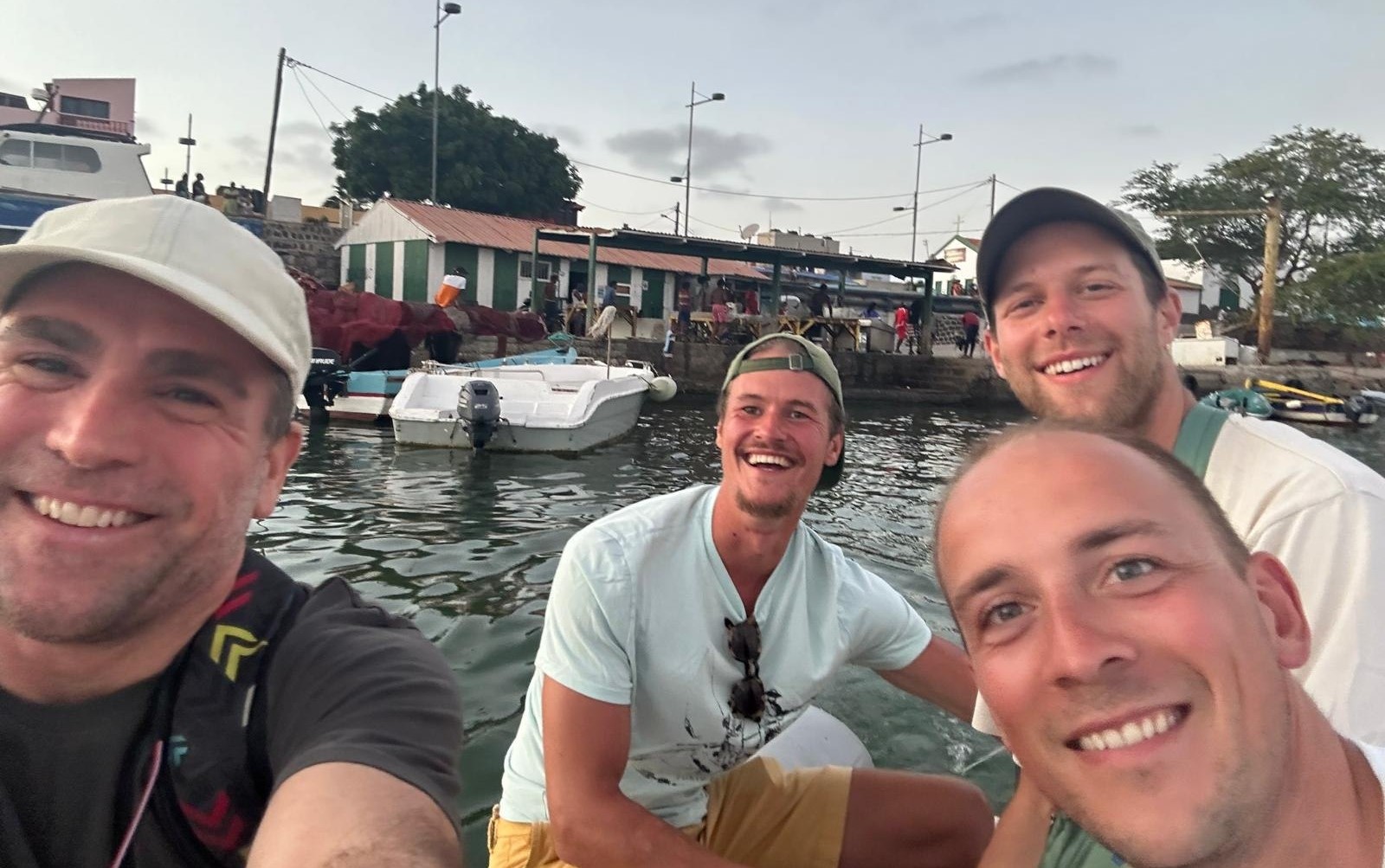
Sono passato dalla vibe spagnoleggiante del Costa Nord a quella olandese del Bikini. Gli olandesi hanno spesso - e anche in questo caso - un mix di qualità che stimo molto, un misto di apertura mentale, sobrietà, freschezza di pensiero, organizzazione. Meno fan dello dutch humor ma hey nessuna vibe nazionale è perfetta. Bas, Bart e Guido sono i miei compagni di viaggio.
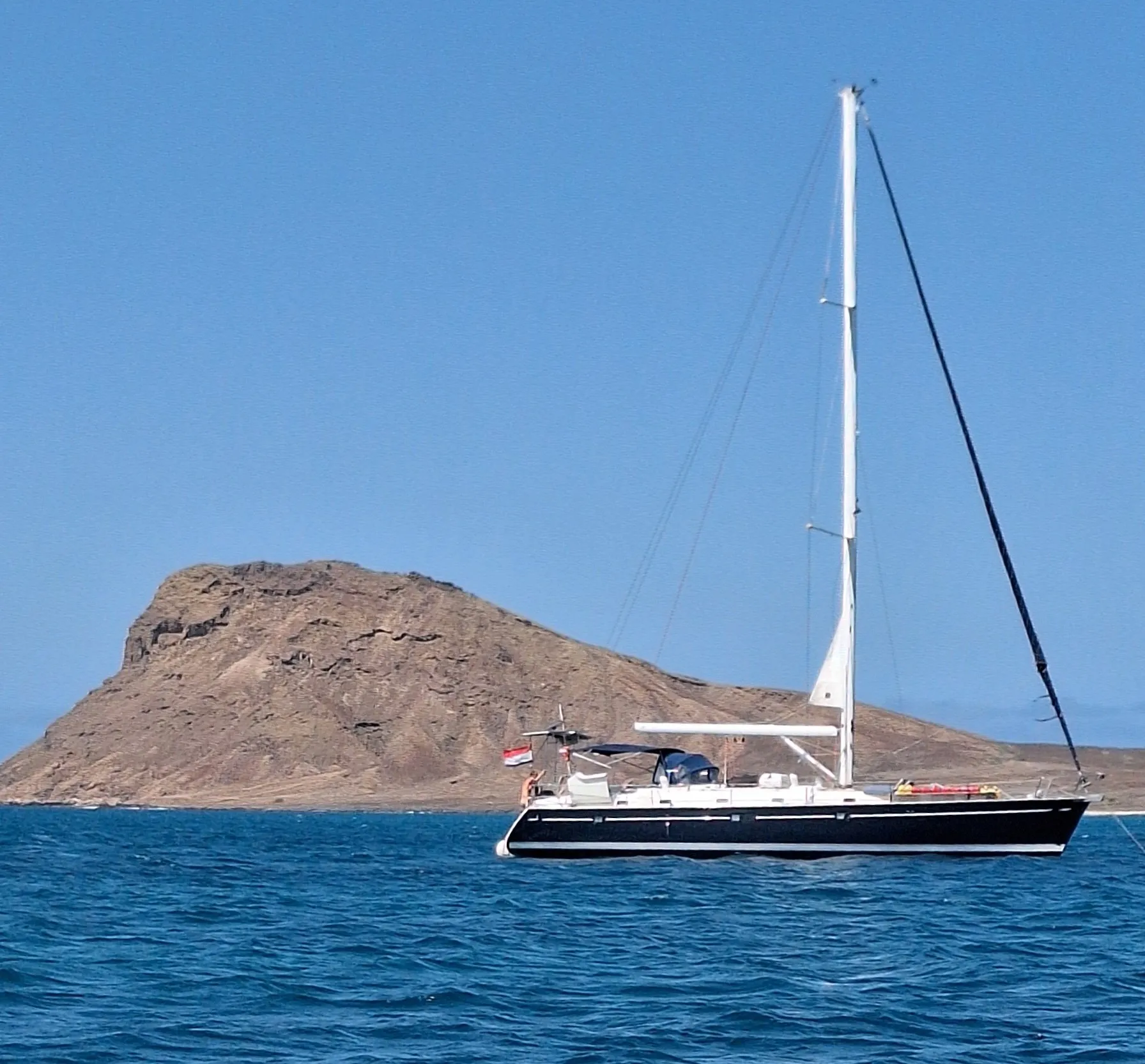
Il capitano, Bas, è un trentenne che come me si è preso un anno sabbatico. Ma lui è andato oltre: ha comprato il Bikini, una barca di 50 piedi per fare la traversata atlantica, esplorare i Caraibi e ri-attraversare prima della stagione degli uragani - che ufficialmente inizia a giugno. Il Bikini è un ex charter (barca per passeggeri) usata nelle stagioni turistiche a Mallorca e ha qualche segno di usura, pur rimanendo una splendida barca. Mi rendo conto che iniziare la mia esperienza di vela con il Costa Nord è stato un grande privilegio: anche il Bikini, che è una signora barca, non regge il confronto. Il Costa Nord è più lussuoso, tenuto maniacalmente, spesso una delle più grandi barche in marina. Mi ha settato l’asticella troppo in alto e adesso è difficile trovare qualcosa che la eguagli, ma va bene così. C’è più gusto a stare senza lavatrice e winch elettronici.
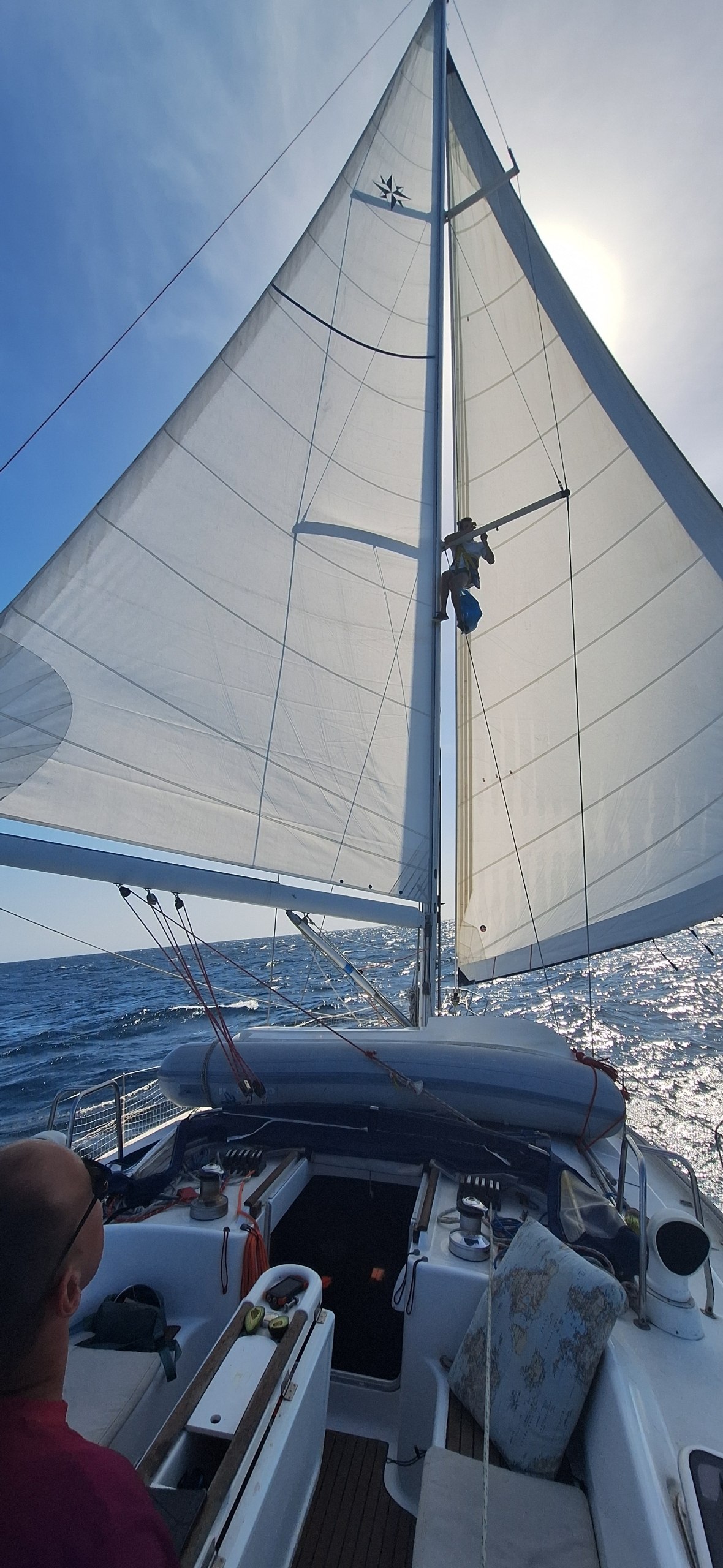
Bart è un ragazzo tranquillo e silenzioso, ma è anche il primo a precipitarsi sul ponte quando Bas chiama per qualche emergenza. Ed è sempre lui ad arrampicarsi sull’albero maestro, con le onde che lo fanno oscillare a destra e sinistra per troppi metri, per aggiustare una vela rotta.
Guido è un uomo sulla cinquantina, ha dei modi di fare gentili e misurati, ma nella sua mente ribollono sempre nuove idee e progetti. Fondare festival affermati di musica elettronica nel deserto, gestire aziende biomediche con centinaia di dipendenti, aiutare organizzazioni di beneficenza, e non mi ricordo cos’altro. Imparo molto dalle nostre conversazioni durante i pomeriggi rilassati, sul ponte.
Sono partiti da Amsterdam un paio di mesi fa; a Cabo Verde solo Bas resterà sul Bikini e farà la traversata con suo fratello ed altri amici.
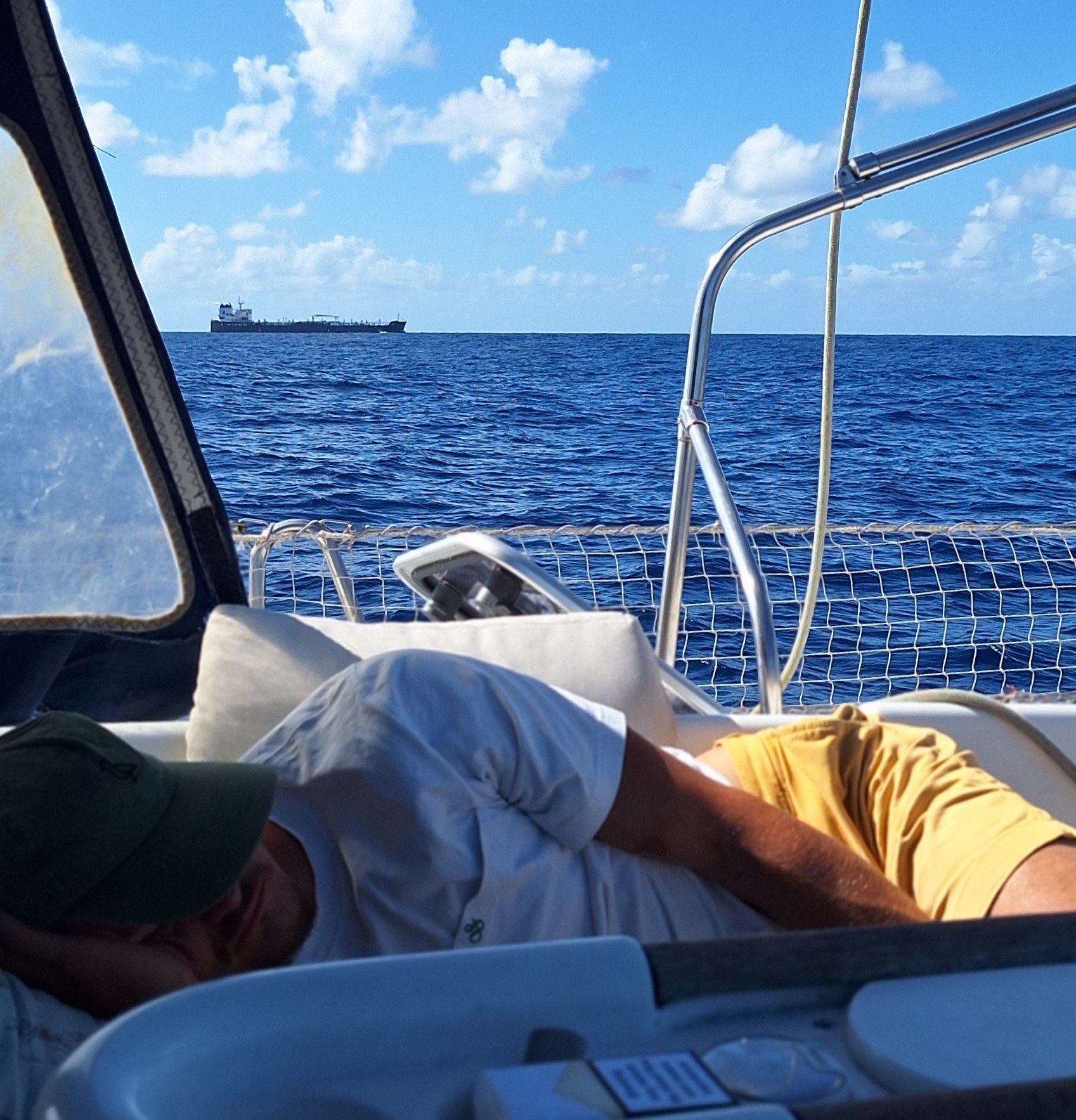
Inizio a prendere più confidenza con la vela. Qua mi vengono affidate più responsabilità che sul Costa Nord. Inizio a fare le mie prime notti di guardia in solitaria. La routine è sempre la stessa: dopo cena mi faccio un pisolino e mi sveglio poco prima delle 21. Do il cambio a Bart che mi da un briefing su ciò che è successo nell’ultima ora, se siamo in rotta di collisione con qualche barca, entro quali range di angolo devo tenere la barca perchè riceva il vento giusto per l’attuale configurazione di vele, e in quali condizioni - quasi tutte - non posso fare una sega da solo e devo svegliare Bas. Uno potrebbe pensare che a più di 200 miglia dalla costa della Mauritania non ci sia tutto questo traffico, eppure più di una volta mi trovo in difficoltà a fare zigzag tra diverse grandi navi cargo, cercando di evitarle e allo stesso tempo tenere il giusto angolo di vento per le vele. Il sistema AIS (serve a rilevare la posizione delle altre barche per evitare collisioni) non funziona correttamente e spesso non mi fido di cosa mi dice. E poi io di notte notoriamente non vedo un cazzo e non riesco mai a capire quanto le altre barche siano effettivamente distanti (si vedono solo le luci). Notevole anche quella volta che abbiamo dovuto interrompere la cena perché ci siamo accorti che una nave cargo ci stava arrivando alle spalle e ci avrebbe travolto - sì sono enormi ma vanno molto più rapide di noi.
I primi giorni procediamo lentissimi, Gran Canaria ci para il vento degli alisei e fatichiamo a superare i 6 nodi. Quando dopo un paio di giorni iniziamo a prendere velocità, si spezza un anello che tiene su il fiocco (la vela davanti), che si affloscia nel mare. Io in quel momento sono l’unico sul ponte ma sto stendendo la mia lavanderia e come al solito sto pensando ai cazzi miei. Se ne accorge Bas quando esce per portarmi un frullato e due minuti dopo siamo tutti sul ponte a tirare fuori la vela fradicia. Procediamo la traversata con solo la randa (vela maestra) e questo ritarda il nostro arrivo di un paio di giorni. Nessun problema per me, non ho fretta. Invece Bart è disperato perché voleva fare kitesurf per qualche giorno prima della suo volo per Amsterdam. Ma come mi ha insegnato un vecchio lupo di mare (vedi prossimi episodi), la vela e i calendari non vanno d’accordo.
A parte questo, le giornate scorrono abbastanza tranquille. Mano a mano che navighiamo verso sud, il calore aumenta e la nostra abbronzatura pure. Riesco a dormire regolarmente e mi sento molto riposato, un toccasana dopo il viaggio per le Canarie che mi ha lasciato spossato. Passo molto tempo a scrivere nel mio quadernino, mi fa processare tutte le emozioni della settimana precedente e i pensieri che ancora mi rimbalzano nella testa.
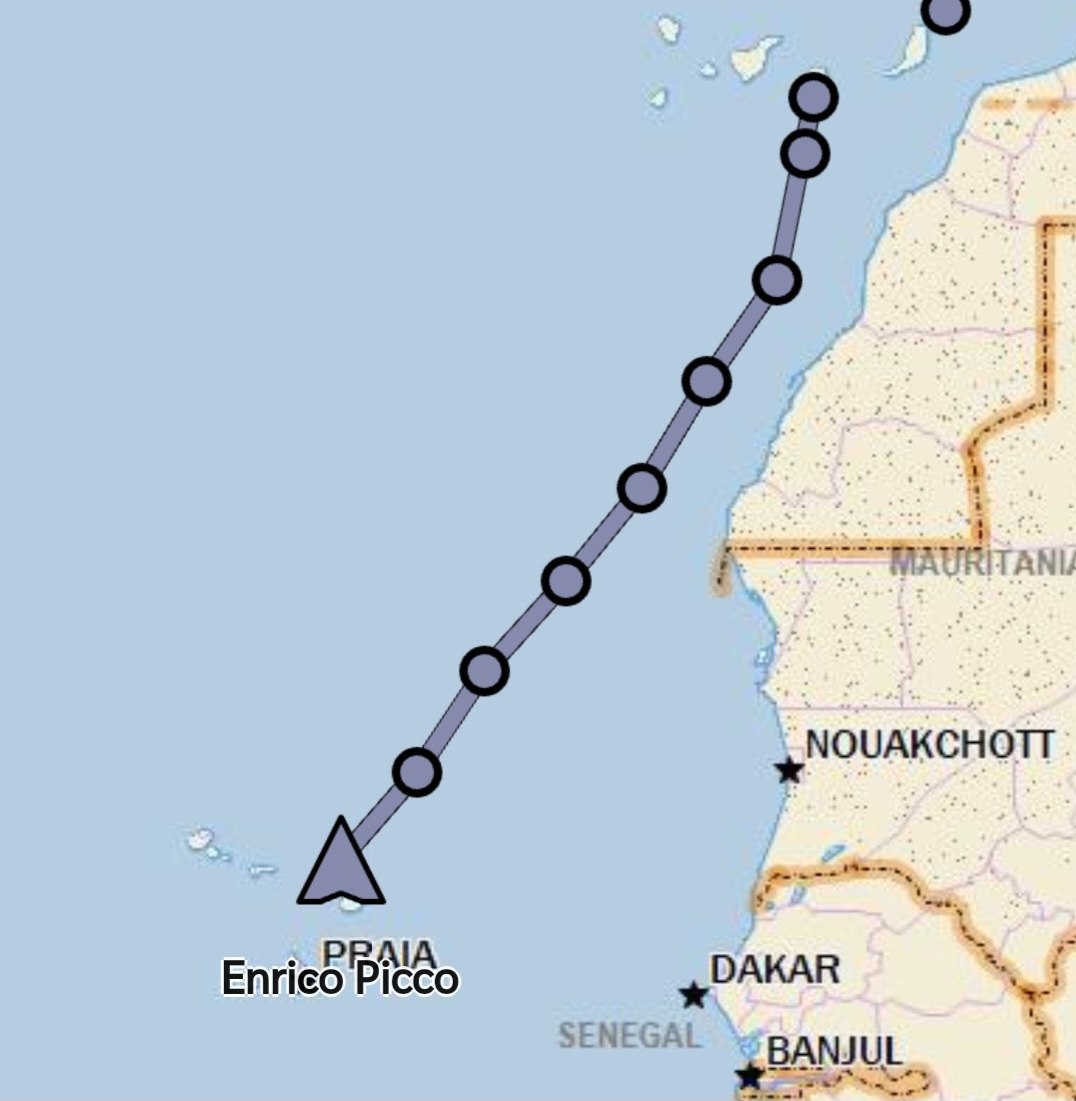
Dopo una settimana vediamo delle montagne desertiche in lontananza. Non è un miraggio, sono i vulcani spenti dell’isola di Sal, Cabo Verde. A Sal c’è una delle uniche due marine di tutto l’arcipelago con la polizia di frontiera - le uniche in cui possiamo fare il check-in arrivando in barca. Può sembrare banale ma le isole sono molto lontane tra loro, a volte alcune centinaia di chilometri, quindi meglio arrivare in quella giusta. Un barbecue di festeggiamento mentre ci avviciniamo ed è ora di sbarcare.
—
La ‘marina’ di Palmeira, a Sal, è un molo scassato di cemento viscido, e il servizio di ‘parcheggio gommone’ viene fatto da bambini che interrompono la loro partita a pallone per cinque minuti. Non solo è la prima volta che metto piede sulla terraferma dopo 8 giorni, ma è anche la prima volta che metto piede in Africa! Che gaso arrivarci così, senza aerei.
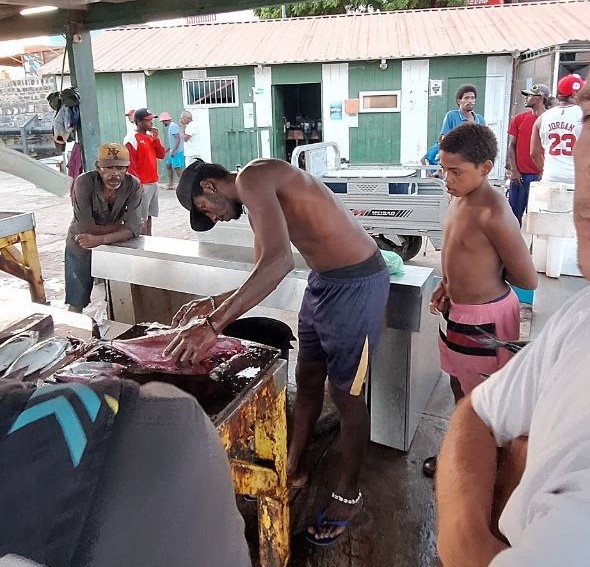
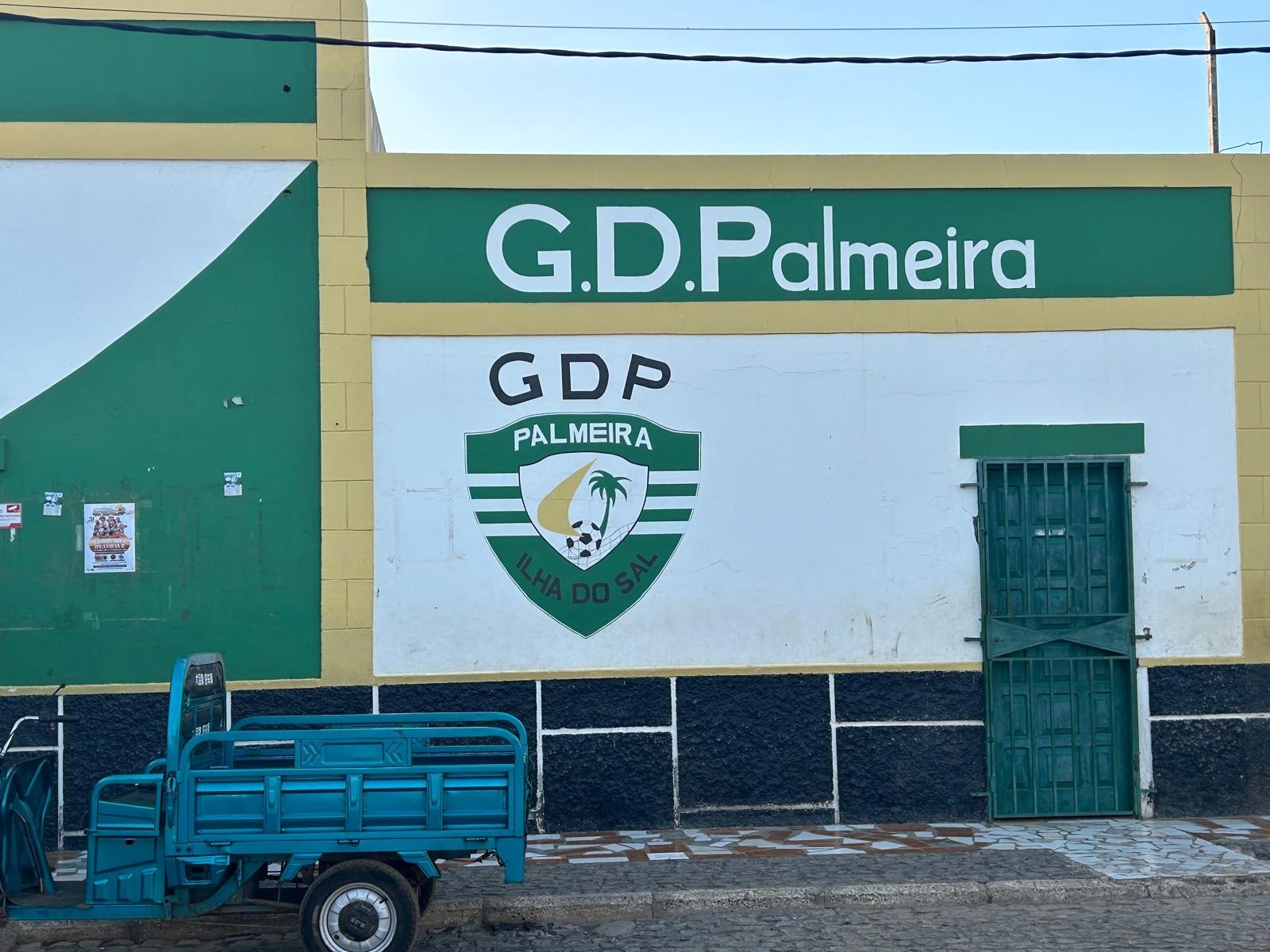
E cosí i nostri quattro eroi sgranchiscono le gambe per il paesino, cercando un atm (fallendo), una sim card (fallendo), e una birra (riuscendo) e comprando il tonno fresco (si spera) da un losco tizio che lo pulisce e sfiletta con una maestria mai vista prima.
Il giorno dopo passiamo la giornata in una spiaggia perfetta per fare kitesurf. Bart si spacca di kitesurf e Guido dà qualche lezione a me e Bas. Io provo ma schianto miseramente il kite a terra (per fortuna non prendo il volo). Me la cavo con cinquanta euro di riparazione anzichè ricomprare il kite per una cifra a tre zeri. Finisce così (per ora) la mia carriera con il kite e passo il pomeriggio a importunare le lumache nelle pozze lasciate dalla marea.
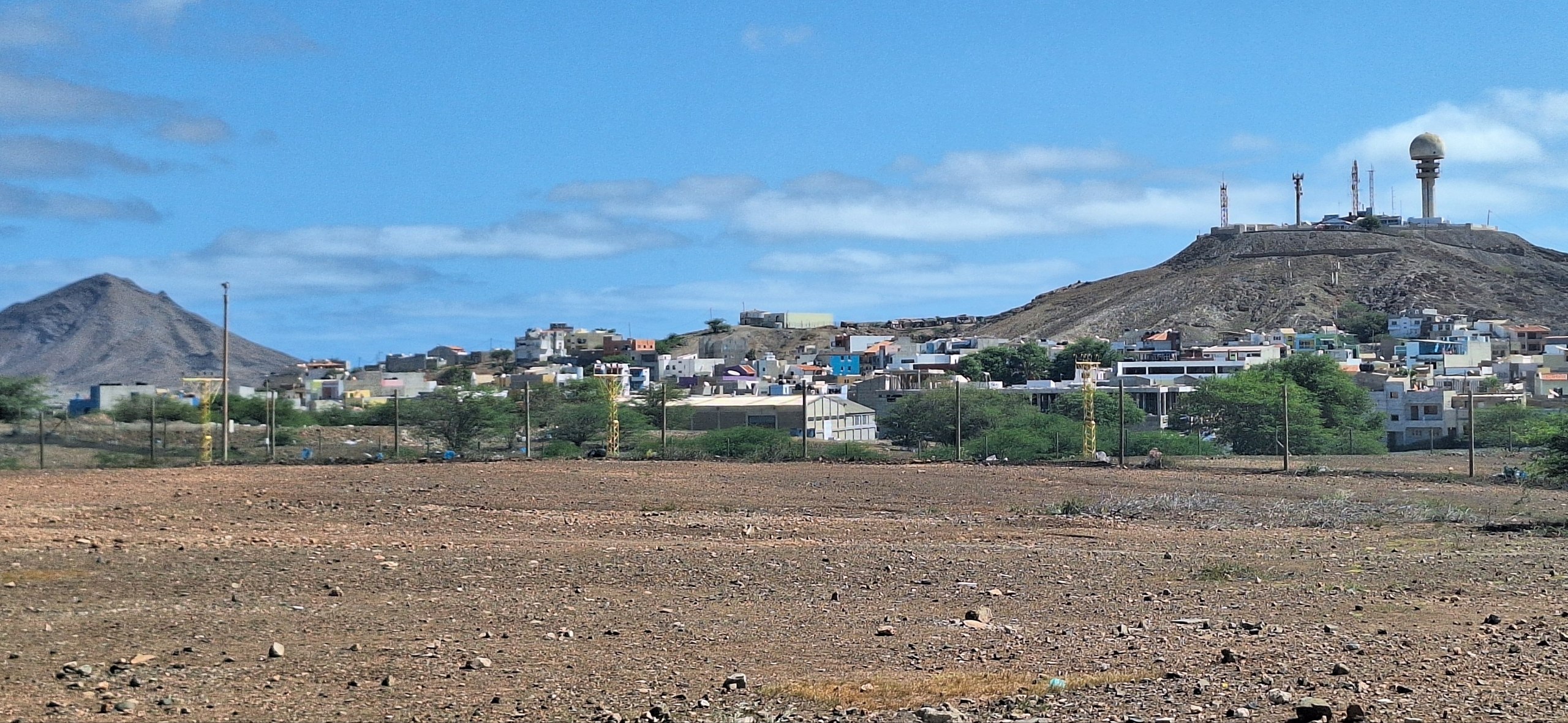
Tutto bello, ma mi rendo conto subito che stare in una spiaggia di kitesurf circondato da turisti occidentali (quasi nessun locale si può permettere un kite o delle lezioni) non è il motivo per cui sto viaggiando. Il sud dell’isola di Sal è un inferno di resort all-inclusive, gringos con la camicia a fiori e bar a prezzi gentrificati. Ma non devo aspettare molto: il giorno dopo ho già in programma di lasciare il Bikini. Arrivo in aeroporto zuppo di acqua marina imbarcata sul gommone mentre Bas mi scarica a terra. Ma i trasporti inter-isola su Cabo Verde sono pessimi e ho tutto il tempo di asciugarmi prima che il mio volo sia pronto ad imbarcare. Con il WiFi dell’aeroporto scarico un po’ di musica caboverdiana consigliata dal taxista ed entro nel mood per la mia destinazione. Cesária Evora e Bana in cuffietta e sono pronto a salire su un piccolo aereo, destinazione: Mindelo, la capitale culturale di Cabo Verde.
I didn’t have a clear idea of what to expect from Cape Verde, so everything that comes is a surprise. But the few hours spent in the little town of Palmeira – my first on land after more than a week at sea – hit me with a punch I wasn’t expecting. Nothing as extreme as the stereotypical image of a child with a swollen belly and a vulture waiting nearby. But for me, a poor privileged soul who has so far only traveled between Europe, the U.S., and Australia, it was the strongest culture shock I’ve ever experienced.
Walking through the streets of the village with my crewmates feels strange. I’ve only ever seen them on the boat, never on land. It’s odd to see them using their legs for walking.
—
Life on a sailboat is something extraordinary, yet I struggle to describe it. Maybe because by now I take for granted so many things that, just a month ago, would have seemed unusual. Like watching dolphins swim at the bow, cooking on a gimbal stove (it moves and tilts with the boat’s roll), or peeing off the stern during my solo night watch, with the Milky Way above and black sea below, only my lifeline and GPS-equipped life jacket (who knows if it really works) to save my life if I were to fall overboard.
I’ve gone from the Spanish-flavored vibe of the Costa Nord to the Dutch vibe of the Bikini. The Dutch often have – and in this case too – a mix of qualities I really admire: a blend of open-mindedness, sobriety, freshness of thought, and organization. Less of a fan of Dutch humor, but hey, no national vibe is perfect. Bas, Bart, and Guido are my travel companions.
The captain, Bas, is in his thirties and, like me, took a sabbatical year. But he went further: he bought the Bikini, a 50-foot boat, to cross the Atlantic, explore the Caribbean, and cross back before hurricane season officially starts in June. The Bikini is a former charter boat used in Mallorca’s tourist seasons. It shows some wear, but is still a beautiful vessel. I realize that starting my sailing experience on the Costa Nord was a huge privilege: even though the Bikini is a fine boat, it can’t compare. The Costa Nord is more luxurious, meticulously maintained, often one of the biggest boats in the marina. It set the bar too high, and now it’s hard to find anything that matches it – but that’s fine. There’s more charm in going without a washing machine and electric winches.
Bart is a quiet, reserved guy, but he’s always the first to rush to the deck when Bas calls for an emergency. And he’s always the one to climb the mast, swinging meters side to side with the waves, to fix a torn sail.
Guido is in his fifties, with gentle, measured manners, but his mind is always bubbling with new ideas and projects: founding established electronic music festivals in the desert, running biomedical companies with hundreds of employees, helping charities – and I forget what else. I learn a lot from our conversations during relaxed afternoons on deck.
They left Amsterdam a couple of months ago; in Cape Verde only Bas will remain on the Bikini to make the crossing with his brother and other friends.
I’m starting to feel more confident with sailing. Here I’m given more responsibilities than on the Costa Nord. I’m doing my first solo night watches. The routine is always the same: after dinner, I take a nap and wake up just before 9 p.m. I relieve Bart, who briefs me on what happened in the last hour, whether we’re on a collision course with any ship, within which wind angle range I should keep the boat for the current sail configuration, and in which situations – almost all of them – I can’t do a damn thing alone and must wake Bas. You might think that more than 200 miles off the Mauritanian coast there wouldn’t be much traffic, yet more than once I’ve had trouble zigzagging between several large cargo ships, trying to avoid them while keeping the right wind angle for the sails. The AIS system (used to detect other ships’ positions to avoid collisions) doesn’t work properly, and I often don’t trust what it says. And at night I usually can’t see shit and can never judge how far other ships really are (you only see their lights). Notable, too, was that time we had to stop dinner because we realized a cargo ship was coming up behind us and would have run us over – yes, they’re huge, but they move much faster than we do.
The first days we make painfully slow progress, with Gran Canaria blocking the trade winds and struggling to break 6 knots. Then, after a couple of days, just as we start picking up speed, a ring holding up the genoa (the front sail) snaps, and the sail collapses into the sea. At that moment I’m the only one on deck, hanging my laundry and, as usual, thinking about my own business. Bas notices when he comes out to bring me a smoothie, and two minutes later we’re all on deck hauling the soaked sail back aboard. We continue the crossing with only the mainsail, which delays our arrival by a couple of days. No problem for me – I’m in no hurry. But Bart is gutted because he wanted a few days of kitesurfing before his flight back to Amsterdam. But as an old sea dog once told me (see future episodes), sailing and calendars don’t go well together.
Aside from that, the days pass fairly peacefully. As we sail south, the heat increases and so does our tan. I sleep regularly and feel very rested, a blessing after the exhausting trip to the Canaries. I spend a lot of time writing in my notebook; it helps me process the emotions of the past week and the thoughts still bouncing around my head.
After a week, we see barren mountains in the distance. It’s no mirage – they’re the extinct volcanoes of Sal, Cape Verde. Sal has one of only two marinas in the whole archipelago with border police – the only ones where we can check in when arriving by boat. It may sound trivial, but the islands are far apart, sometimes hundreds of kilometers, so you’d better arrive at the right one. We have a celebratory barbecue as we approach, and then it’s time to disembark.
—
The “marina” of Palmeira, on Sal, is a shabby, slippery concrete pier, and the “dinghy parking service” is provided by kids who pause their soccer game for five minutes. Not only is this my first time setting foot on land after eight days, but it’s also my first time setting foot in Africa! What a thrill to arrive like this, without airplanes.
And so our four heroes stretch their legs in the village, looking for an ATM (fail), a SIM card (fail), and a beer (success), and buying fresh (hopefully) tuna from a shady guy who cleans and fillets it with unmatched skill.
The next day we spend the day on a beach perfect for kitesurfing. Bart goes all out on his kite, and Guido gives some lessons to me and Bas. I try, but I crash the kite hard into the ground (luckily I don’t get airborne). I get away with fifty euros in repairs instead of buying a brand-new kite for a four-figure sum. That’s the end (for now) of my kitesurfing career, and I spend the afternoon bothering snails in the tidal pools instead.
It’s all nice, but I realize right away that being on a kitesurf beach surrounded by Western tourists (almost no locals can afford a kite or lessons) is not why I’m traveling. The south of Sal is a hell of all-inclusive resorts, gringos in Hawaiian shirts, and bars with gentrified prices. But I don’t have to wait long: the next day I’m already set to leave the Bikini. I arrive at the airport drenched in seawater from the dinghy ride as Bas drops me off. But inter-island transport in Cape Verde is terrible, so I have plenty of time to dry off before my flight is ready to board. Using the airport WiFi, I download some Cape Verdean music recommended by my taxi driver and get into the mood for my destination. Cesária Évora and Bana in my headphones, and I’m ready to board a small plane bound for Mindelo, Cape Verde’s cultural capital.
Resta aggiornato Stay updated
Ricevi una mail a ogni nuovo racconto Get an email with every new entry
Niente spam, solo i nuovi capitoli del viaggio - promesso :) No spam, just the new chapters of the journey - I promise :)
Iscrizione completata! Riceverai una mail a ogni nuovo racconto. You're subscribed! You'll get an email with every new entry.
Qualcosa è andato storto. Riprova. Something went wrong. Please try again.